

A lot of BigCommerce stores do not have a traffic problem. They have a decision problem. Shoppers land, browse, hesitate, and leave because the store is asking them to work too hard. If you want to know how to improve BigCommerce conversion, start there. Better conversion usually comes from reducing friction, clarifying value, and making the next step obvious. That sounds simple, but most conversion issues are not caused by one dramatic mistake. They come…
Duck Soup Blog
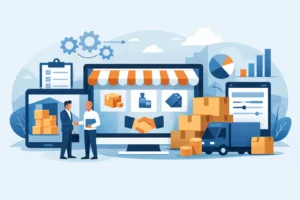
If your sales team is still emailing price sheets, manually keying in wholesale orders, or approving the same customer requests over and over, your B2B ecommerce problem is not traffic. It is process. A solid BigCommerce B2B store setup fixes that, but only if the store is built around how your buyers actually purchase. That is where many projects go sideways. Merchants get excited about features, start configuring the storefront, and only later realize their…

A lot of merchants start BigCommerce theme customization when what they really mean is, “this store doesn’t feel right yet.” The homepage looks generic. Product pages don’t support how customers actually shop. The design is close, but not close enough to convert the way it should. That instinct is usually correct. The mistake is assuming the fix is purely visual. Theme work affects far more than branding. It shapes how quickly shoppers find products, how…
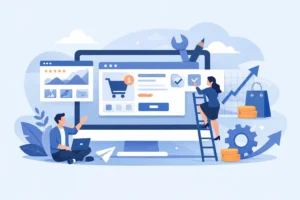
A redesign usually gets approved for the wrong reason. Someone is tired of the homepage. A stakeholder wants a more modern look. A competitor launched a cleaner site. Meanwhile, the real problems are sitting somewhere else – poor mobile navigation, category pages that bury products, a checkout experience that creates hesitation, or a theme setup that makes every change harder than it should be. That is why BigCommerce redesign services should never start with mockups.…
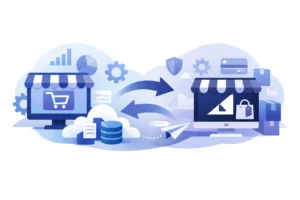
If your Volusion store feels harder to manage than it should, you’re not imagining it. A Volusion to BigCommerce migration is rarely just a platform switch. It’s usually a cleanup project, a UX project, a catalog project, and an operations project bundled into one decision. Merchants who treat it like a simple copy-and-paste job tend to pay for that later in broken data, weak SEO carryover, and launch-week chaos. Why merchants start a volusion to…
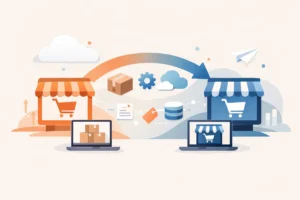
If your Magento store has turned into a constant maintenance project, you are not imagining it. A lot of merchants start a Magento to BigCommerce migration only after they have hit the same wall a few too many times – rising development costs, slow updates, fragile customizations, and too much operational energy spent keeping the platform upright instead of growing the business. That frustration is usually justified. But migration is not just a platform swap.…
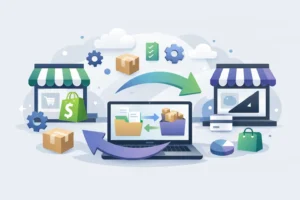
Most Shopify stores do not leave because they woke up craving a new dashboard. They leave because the workarounds keep piling up, the app stack keeps growing, and simple operational changes start feeling expensive. A Shopify to BigCommerce migration usually starts there – not with platform curiosity, but with friction that is costing time, margin, or control. If you are considering a move, the right question is not whether BigCommerce is better in the abstract.…

Moving to a new platform can seem workable until you start getting into the details of your existing website. Product data is often inconsistent, categories have grown messy over time, customer records need cleanup, redirects matter more than anyone realized, and third-party apps are holding together key parts of daily operations. That is exactly where a BigCommerce migration agency can proves its value, or creates expensive confusion. If you’re moving to BigCommerce from Shopify, Magento,…
